
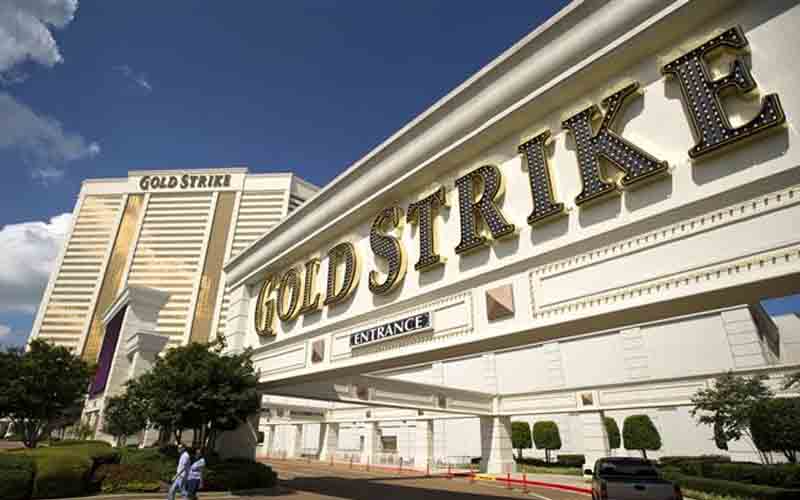
In a move that underscores shifting labor dynamics in the Southern gaming market, employees at Gold Strike Casino Resort in Tunica, Mississippi, have voted to join Teamsters Local 667. The decision, reached through a card-check majority, brings roughly 280 workers, including housekeepers, food and beverage staff, and cocktail servers, under union representation.
For many employees, the choice was driven by everyday concerns rather than abstract labor ideals. Workers cited the need for higher wages, improved benefits, and more predictable working conditions as central motivations. One employee described the change as empowering, reflecting a broader sentiment among staff that their collective voices carried more weight than their individual ones.
The Memphis-based Teamsters Local 667, part of a labor organization representing over a million workers across North America, has welcomed the new members as part of a growing footprint in the casino sector. The development is not occurring in isolation. It follows similar organizing efforts at other casinos across the country, signaling a renewed focus on labor rights in the hospitality and gaming industries.
How Unionization Affects Local Casinos
The unionization at Gold Strike Casino Resort may have ripple effects beyond a single property. For workers, union membership often translates into stronger negotiating power, structured grievance processes, and the possibility of improved compensation packages.
For casino operators, however, the implications are more complex. Increased labor organization can lead to higher operating costs, particularly if collective bargaining results in wage increases or expanded benefits. At the same time, it can also bring stability, reduce turnover, and foster a more experienced workforce, thereby enhancing customer service.
In regions like Tunica, where casinos are a cornerstone of the local economy, these changes carry added weight. The industry supports a wide range of jobs beyond gaming floors, from hospitality to maintenance. Unionization can therefore influence not only individual workplaces but also the broader economic ecosystem.
Ultimately, the Gold Strike decision reflects more than a workplace shift; it highlights an evolving conversation about the future of casino employment, the role of digital gambling, and the balance between innovation and job preservation.
Tunica Online Casinos To The Rescue
While Tunica has long been recognized as a hub for land-based gaming in Mississippi, the digital gambling landscape tells a different story. Unlike some states that have embraced online casinos, Mississippi remains cautious about expanding into iGaming.
This hesitation has created an opportunity for offshore online casinos, which continue to attract players seeking convenience and a broader game selection. These platforms, like the casino sites at TunicaOnlineCasinos.com, operate outside U.S. jurisdiction, filling a demand that local operators cannot legally meet.
Industry observers note that the absence of regulated online casino options in Mississippi has indirectly supported offshore operators. At the same time, lawmakers have shown little urgency to change course. Efforts to expand mobile betting or legalize online casino play have repeatedly stalled, reflecting concerns about economic disruption and workforce implications.
For Tunica’s brick-and-mortar casinos, this dynamic creates a delicate balance. On one hand, offshore sites compete for players’ attention. On the other hand, local casinos remain vital employers in the region, providing thousands of jobs tied directly to in-person gaming experiences.
The result is a dual-track gambling environment: one rooted in physical resorts and hotels along the Mississippi River, and another operating quietly online beyond regulatory reach.